
Power BI Operations Dashboard
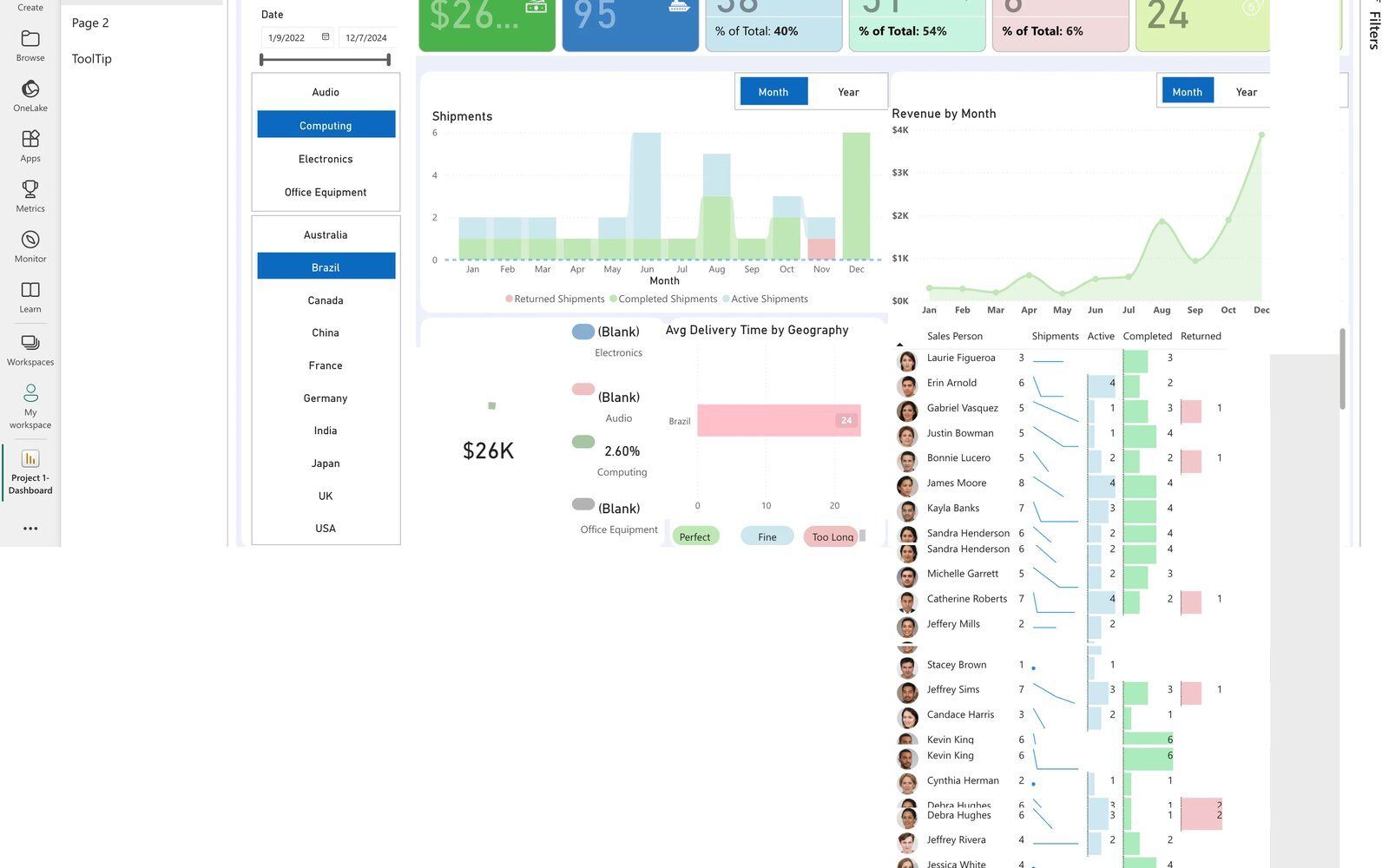
Operations reporting rebuilt as a Power BI dashboard on top of the existing sales and stock data, replacing a monthly workbook that four people maintained by hand.
- Client
- Distribution business, NCR (via NodeAscend)
- Year
- 2024
- Role
- Data modelling and dashboard build
- Type
- Analytics
What needed solving
The report was accurate but expensive: a month of copy-paste, four versions of the same file, and no way to answer a question mid-month without rebuilding half of it.
How it was built
Agreed the star schema before drawing anything: transactions in the fact, product, party and date as dimensions, and the definitions written down once.
Moved the manual formulas into the model, so a change in a business rule is one edit rather than a hunt through cells.
Built the views around decisions — margin by product line, movement by depot, ageing by party — instead of a wall of KPI tiles.
Set an explicit refresh schedule and a data-quality check that fails loudly when a day is missing.
What changed
Mid-month questions get answered in the dashboard rather than in a queue behind a spreadsheet owner, and the monthly workbook became a monthly review.
The same six stages,
every project
Discovery
Clarify the goal, users, constraints, current systems, success measures, and delivery risks.
Architecture
Choose the right structure, integrations, data model, security boundaries, and technology stack.
Design
Map important journeys and responsive states before expensive decisions are locked in.
Development
Build in reviewable milestones with clean code, documented decisions, and visible progress.
Testing & Launch
Validate functionality, performance, accessibility, security, and production readiness.
Support & Improvement
Monitor real use, resolve issues, and prioritize improvements using evidence.
Other case studies
Brand site for a fitness label: a product story that scrolls instead of clicking, static pages on…
Travel Platform Mad4tripRedesign of a travel booking platform: search, live availability and dynamic pricing in one flow…
B2B Commerce Bitcom E-CommerceB2B wholesale store on Next.js and Stripe: tiered pricing per account, bulk order pads, and a…
Have something similar in mind?
Tell me the outcome you need and the deadline you are working to. I will tell you honestly what is possible.