
Royal Restaurant Branding
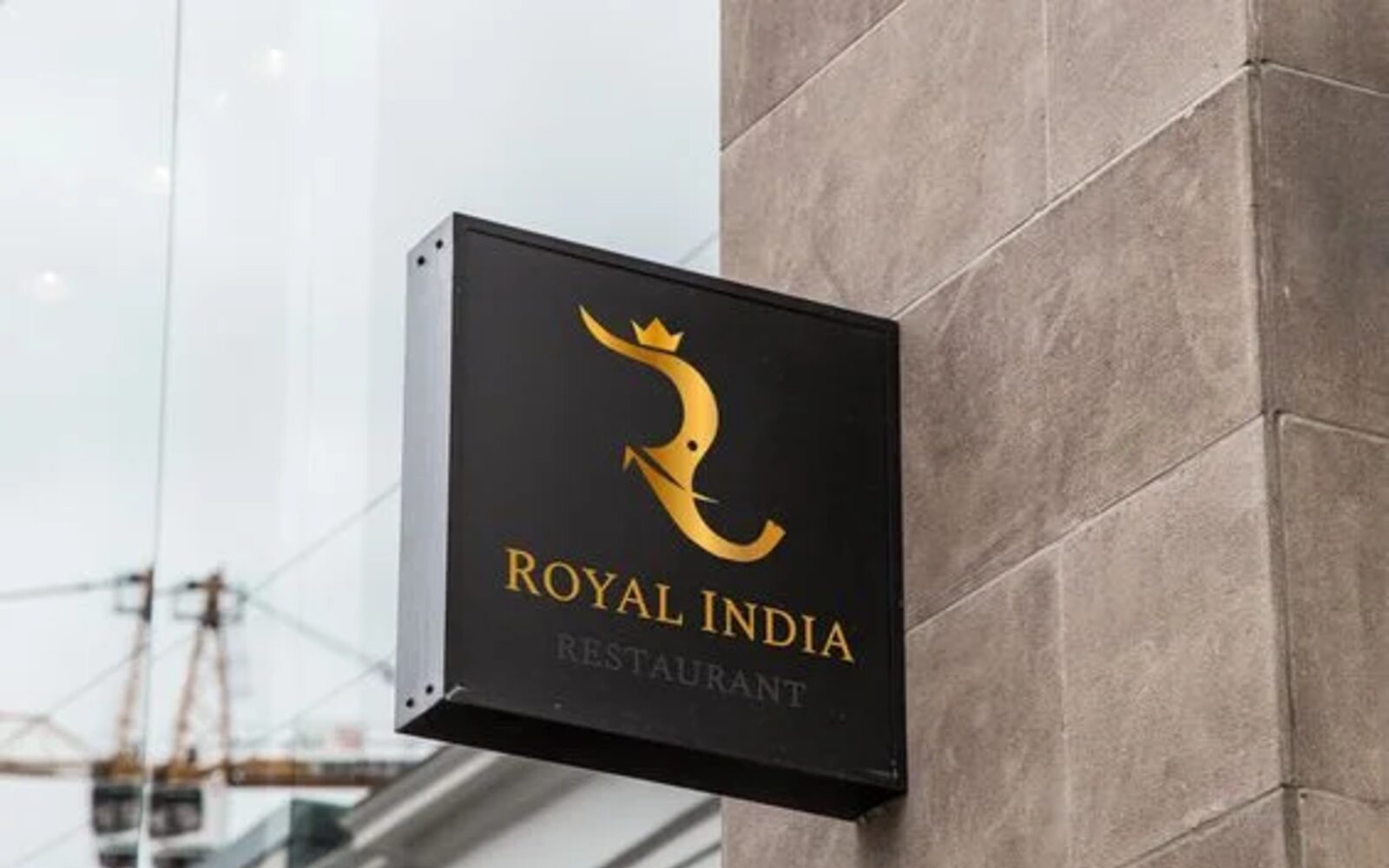
Identity for a restaurant: a monogram-led mark, a menu type system, and packaging rules — specified so the same mark still reads at 16 pixels and on a two-metre flex banner.
- Client
- Royal Restaurant
- Year
- 2024
- Role
- Logo system and brand collateral
- Type
- Design
What needed solving
A restaurant mark is seen mostly at absurd sizes: an app icon, a napkin, a receipt header, a plate. The first direction looked handsome on a poster and disintegrated everywhere else.
How it was built
Drew the monogram on a small grid so the strokes hold at 16px, then verified it by rendering it that size rather than by squinting at a zoom.
Set one pairing — a display face for the name, a workhorse for menus — and refused the third face that always creeps in.
Wrote the signage rules next to the logo: minimum sizes, clear space, and a single-colour version for etching and stamping.
Tested the mark in the places it must live: map pin, aggregator thumbnail, bill, and the actual signboard mock-up.
What changed
One mark that works at every size the business needs, plus files the printer, the signage vendor and the delivery aggregators can all use without a phone call.
The same six stages,
every project
Discovery
Clarify the goal, users, constraints, current systems, success measures, and delivery risks.
Architecture
Choose the right structure, integrations, data model, security boundaries, and technology stack.
Design
Map important journeys and responsive states before expensive decisions are locked in.
Development
Build in reviewable milestones with clean code, documented decisions, and visible progress.
Testing & Launch
Validate functionality, performance, accessibility, security, and production readiness.
Support & Improvement
Monitor real use, resolve issues, and prioritize improvements using evidence.
Other case studies
Brand site for a fitness label: a product story that scrolls instead of clicking, static pages on…
Travel Platform Mad4tripRedesign of a travel booking platform: search, live availability and dynamic pricing in one flow…
B2B Commerce Bitcom E-CommerceB2B wholesale store on Next.js and Stripe: tiered pricing per account, bulk order pads, and a…
Have something similar in mind?
Tell me the outcome you need and the deadline you are working to. I will tell you honestly what is possible.